
What Counts as Hazardous Waste and Can a Junk Hauler in PA Take It?
- Apr 24
- 5 min read
AI Summary
Hazardous waste includes materials that are toxic, flammable, corrosive, or reactive and requires special handling to protect public health and the environment.
Pennsylvania has strict regulations governing hazardous waste disposal, and most standard junk haulers cannot legally transport these dangerous materials.
Common household hazardous items include paint, batteries, pesticides, motor oil, and cleaning chemicals that need specialized disposal methods.
Professional junk removal services can handle most non-hazardous items while connecting you with proper disposal resources for dangerous materials.

Nearly 6 million tons of hazardous waste are generated in Pennsylvania each year, and much of it starts in everyday homes across Westmoreland County. That old paint can in your garage, the car battery collecting dust in your shed, or those expired cleaning chemicals under your sink all qualify as hazardous materials that cannot simply be tossed in the trash.
The challenge becomes even more complex when you are dealing with a major cleanout project. Whether you are tackling an estate cleanout in Mt. Pleasant or clearing decades of accumulated items from a family property, separating hazardous materials from regular junk requires knowledge of state regulations and access to proper disposal facilities.
Why This Matters for Mt. Pleasant, PA Residents
Understanding hazardous waste regulations becomes critical when you are hiring a junk hauler in Pennsylvania for any major cleanout project. Professional junk removal companies must comply with state and federal laws that strictly prohibit transporting dangerous materials alongside regular household items.
The good news is that reputable junk haulers can guide you through the process of identifying hazardous materials and connecting you with appropriate disposal resources. This knowledge protects both you and the environment while ensuring your cleanout project stays on track without legal complications.
What Legally Qualifies as Hazardous Waste in Pennsylvania
Pennsylvania follows federal EPA guidelines that classify hazardous waste based on four key characteristics. Materials must be properly identified before any removal service can determine the appropriate handling method.
Items that are ignitable or flammable with a flash point below 140 degrees Fahrenheit
Corrosive materials that can eat through metal or have extremely high or low pH levels
Reactive substances that become unstable when exposed to heat, pressure, or other chemicals
Toxic materials that can cause harm to human health when ingested, inhaled, or absorbed through skin
Certain listed wastes specifically identified by the EPA regardless of their characteristics
How Pennsylvania Regulates Hazardous Waste Transportation
The Pennsylvania Department of Environmental Protection requires special permits and handling procedures for transporting hazardous materials. Standard junk removal trucks are not equipped or licensed to carry these dangerous substances safely.
Licensed hazardous waste transporters must use specialized vehicles, follow strict routing requirements, and maintain detailed documentation of every load. These regulations exist because mixing hazardous materials with regular junk can create serious safety risks during transport and disposal.
Commercial vs. Residential Hazardous Waste Rules
Commercial businesses face stricter regulations and higher penalties for improper hazardous waste disposal. Companies that generate more than 100 kilograms of hazardous waste per month must register as small quantity generators and follow extensive tracking requirements.
Residential properties have more flexibility under household hazardous waste exemptions, but the materials themselves remain just as dangerous. Homeowners can often dispose of small quantities through special collection events or designated drop-off locations rather than commercial waste facilities.
What Happens When Rules Are Broken
Improper disposal of hazardous materials can result in significant fines and environmental cleanup costs. Property owners remain liable for contamination even after hiring a removal service, making it essential to work with companies that understand and follow proper procedures.
Common Household Items That Qualify as Hazardous Waste
Many everyday household products contain chemicals that make them unsuitable for regular trash pickup or standard junk removal services. These items accumulate over years of normal living and often surprise homeowners during major cleanouts.
Paint products top the list of problematic materials found in most homes. Oil-based paints, paint thinners, and wood stains contain volatile organic compounds that make them both flammable and toxic. Even latex paint can be problematic in large quantities due to its chemical composition.
Automotive fluids create another major category of household hazardous waste. Motor oil, brake fluid, antifreeze, and transmission fluid all contain chemicals that can contaminate soil and groundwater if improperly disposed of.
What Standard Junk Haulers Can and Cannot Remove
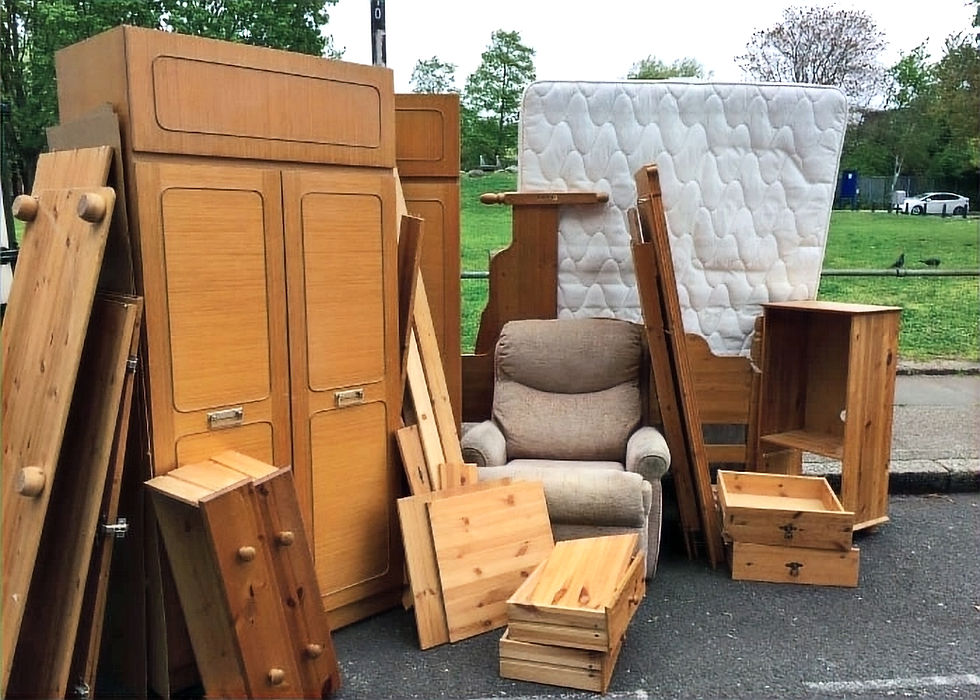
Professional junk removal services excel at handling furniture, appliances, construction debris, and general household clutter safely and efficiently. These items can be loaded, transported, and disposed of through normal waste management channels without special permits or procedures.
However, most legitimate junk haulers will refuse to take obvious hazardous materials to protect their business licenses and insurance coverage. This means planning ahead when you are scheduling garage cleanouts or major property clearing projects that might uncover dangerous materials.
The bottom line: reputable companies prioritize safety and legal compliance over taking every possible item. This approach protects both their workers and their customers from liability issues down the road.
Costs and Timeline Considerations for Mixed Cleanout Projects
Separating hazardous materials from regular junk typically adds time to your cleanout project but does not have to break your budget. Many communities offer periodic collection events where residents can dispose of hazardous materials at no cost.
Planning becomes essential when you discover hazardous materials during a time-sensitive cleanout. Estate sales, moving deadlines, or property transfers can create pressure to remove everything quickly, but dangerous materials cannot be rushed through improper channels. Working with experienced professionals helps you develop realistic timelines that account for proper disposal procedures while keeping your main cleanout project moving forward.
People Also Ask
Can I put old paint cans in the regular trash?
No, paint cans cannot go in regular trash because paint contains chemicals that classify it as hazardous waste. Most paint requires special disposal through designated collection sites or hazardous waste facilities.
Do junk removal companies take car batteries?
Most standard junk removal companies cannot transport car batteries due to their lead content and acid, which classify them as hazardous materials. However, auto parts stores and recycling centers typically accept old batteries.
What should I do with expired medications during a cleanout?
Expired or unused medications should never go in regular trash or junk removal loads. Most police departments and pharmacies offer take-back programs for safe pharmaceutical disposal.
Are cleaning products considered hazardous waste?
Many household cleaning products contain corrosive or toxic chemicals that qualify them as hazardous waste. Oven cleaners, drain openers, and toilet bowl cleaners typically require special disposal methods.
FAQ
How do I know if something in my home is hazardous waste?
Check product labels for warning words like "danger," "poison," "flammable," or "corrosive," which indicate hazardous materials. When in doubt, contact your local environmental agency or waste management facility for guidance on specific items.
Can a junk hauler help me identify hazardous materials?
Experienced junk removal professionals can spot obviously dangerous materials, but they cannot make official determinations about every questionable item. It is best to research suspicious materials beforehand or consult with local environmental authorities.
Where can I dispose of hazardous waste in Westmoreland County?
Westmoreland County hosts periodic household hazardous waste collection events throughout the year. You can also check with local recycling centers, auto parts stores, and home improvement retailers for specific item disposal programs.
Will hazardous materials delay my junk removal appointment?
Discovering hazardous materials does not have to stop your main cleanout project. Professional services can remove all the non-hazardous items while helping you identify resources for proper disposal of dangerous materials separately.
Ready for Safe, Professional Junk Removal in Mt. Pleasant, PA
When you are facing a major cleanout project, working with experienced professionals makes all the difference in handling both regular junk and hazardous materials properly. Our team has helped hundreds of Mt. Pleasant, PA residents navigate complex removal projects while staying compliant with all state and local regulations.
Do not let concerns about hazardous materials prevent you from reclaiming your space. We can handle all your non-hazardous junk removal needs while connecting you with proper disposal resources for any dangerous materials you discover.
Visit Junk Haulers & More or call 724-708-6352 today. We make the entire cleanout process simple, safe, and stress-free from start to finish. Contact us for more information.


Comments