
Construction Waste Disposal: Permits, Regulations, and Requirements
- Jun 29
- 5 min read
AI Summary
Construction waste disposal in Pennsylvania requires specific permits and must comply with state environmental regulations and local ordinances.
Different types of construction debris have varying disposal requirements, with some materials requiring special handling or designated facilities.
Homeowners can face significant fines for improper construction waste disposal, making professional removal services a smart investment.
Proper planning and understanding of local regulations can save time and money while ensuring compliance with Westmoreland County requirements.
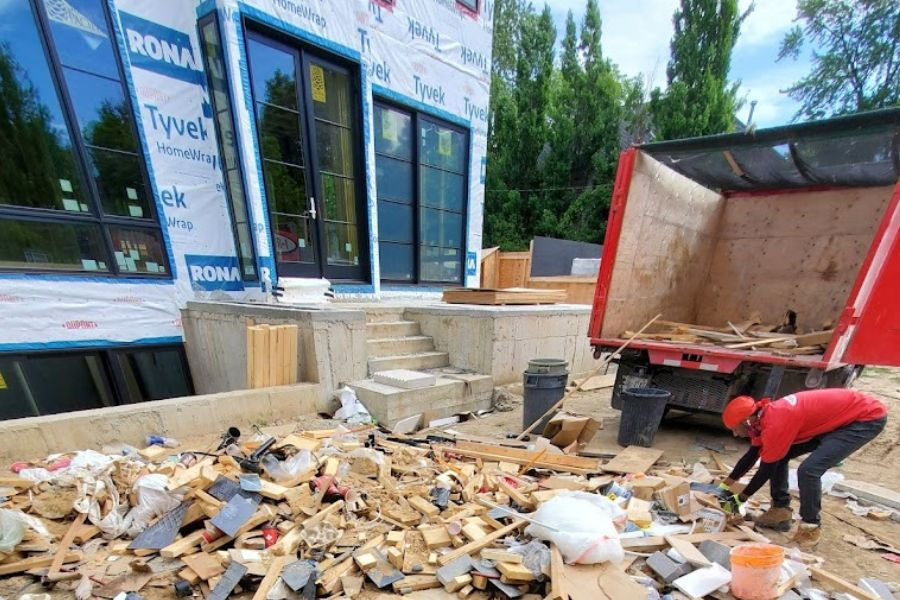
That pile of drywall, old lumber, and roofing materials sitting in your driveway after your home renovation project is not just an eyesore. It is a regulatory minefield that could cost you hundreds of dollars in fines if disposed of incorrectly.
Construction waste disposal regulations in Pennsylvania are stricter than many homeowners realize, and what seems like a simple trip to the local dump can quickly become a costly mistake. Whether you are dealing with a kitchen remodel in Mt. Pleasant or a full home addition, understanding the permit requirements and disposal regulations is essential. Professional junk removal services can navigate these complex rules for you, ensuring your project stays on track and within the law.
What Mt. Pleasant, PA Homeowners Should Know About Local Regulations
Construction waste disposal in Mt. Pleasant and throughout Westmoreland County falls under both state environmental protection guidelines and local municipal codes. Pennsylvania requires proper sorting of construction debris, with different materials following specific disposal pathways to approved facilities.
Most homeowners underestimate the complexity of these regulations until they are standing at a transfer station being told their mixed load cannot be accepted. Local municipalities often require permits for larger projects, and some materials like asbestos-containing products demand special handling procedures that only licensed professionals can perform safely.
Understanding Pennsylvania Construction Waste Disposal Requirements
Pennsylvania categorizes construction and demolition waste into several classes, each with distinct handling and disposal requirements. The state mandates that certain materials be recycled rather than landfilled, while others require hazardous waste protocols.
Key requirements include:
Separation of recyclable materials like concrete, asphalt, and clean wood
Proper documentation and manifests for hazardous materials
Use of state-approved disposal facilities only
Compliance with weight limits and transportation regulations
Adherence to local burn bans and disposal restrictions
Types of Construction Waste and Their Specific Rules
Most construction projects generate a mix of materials that each follow different regulatory pathways. Understanding these categories helps homeowners plan proper disposal and avoid violations.
Recyclable Construction Materials
Concrete, brick, asphalt, and clean lumber must be separated and taken to approved recycling facilities in Pennsylvania. Many transfer stations will not accept mixed loads, requiring pre-sorting before transport. Clean wood waste can often be recycled into mulch or biomass fuel, but painted or treated lumber requires special handling due to potential chemical content.
Hazardous Construction Waste
Materials containing asbestos, lead paint, or chemical treatments fall under Pennsylvania's hazardous waste regulations. Professional testing and removal are often legally required, and disposal must occur at licensed hazardous waste facilities. For guidance on what qualifies as hazardous waste in Pennsylvania, homeowners should review what counts as hazardous waste and can a junk hauler in PA take it to understand the scope of these restrictions.
Permit Requirements for Construction Debris Disposal
Westmoreland County requires permits for construction projects that generate significant waste volumes. These permits help track disposal methods and ensure compliance with environmental protection standards. Permit applications typically require details about project scope, estimated waste volumes, and planned disposal methods.
Failure to obtain required permits can result in stop-work orders and substantial fines. Some municipalities also require proof of proper disposal arrangements before issuing building permits, making waste planning an essential part of project preparation.
Cost Considerations and Professional Services
Professional construction debris removal services often cost less than DIY disposal when permit fees, transportation costs, and potential fines are factored in. Licensed haulers maintain relationships with approved facilities and understand current regulations, reducing the risk of costly mistakes.
The investment in professional services becomes especially valuable for larger projects or when dealing with mixed materials. Companies specializing in debris removal Western PA can handle the entire process from sorting through final disposal, ensuring regulatory compliance throughout.
People Also Ask
What permits do I need for construction waste disposal in Pennsylvania?
Permit requirements vary by project size and municipality, but most construction projects in Westmoreland County require building permits that include waste disposal plans. Contact your local municipal office to determine specific permit needs for your project.
Can I dispose of construction waste in regular dumpsters?
Regular waste dumpsters typically cannot accept construction debris due to weight limits and disposal facility restrictions. Construction materials require specialized hauling and disposal at approved facilities that can handle the specific waste types.
How much does construction waste disposal cost in Mt. Pleasant, PA?
Disposal costs vary significantly based on material types, volumes, and disposal methods required. Professional services provide accurate estimates after evaluating your specific project needs and regulatory requirements.
What construction materials cannot go to regular landfills?
Hazardous materials like asbestos, lead paint, and treated lumber require special disposal facilities. Many recyclable materials like concrete and clean wood must go to recycling facilities rather than landfills under Pennsylvania regulations.
FAQ
Do I need a special license to haul construction waste myself?
While homeowners can transport their own construction waste, they must follow all transportation regulations and use approved disposal facilities. Commercial hauling requires special licensing and insurance that most homeowners do not possess.
How far in advance should I arrange construction waste disposal?
Plan disposal arrangements during the permit application phase of your project. Professional services may need several days notice, especially during busy construction seasons, and permit processing can take additional time.
What happens if I dispose of construction waste improperly?
Improper disposal can result in fines from both state environmental agencies and local municipalities. Violations may also require expensive remediation and can delay project completion significantly.
Can construction waste disposal services handle estate cleanouts too?
Many professional services offer comprehensive removal including both construction debris and estate cleanout services. This can be particularly valuable when renovating inherited properties that require both estate cleanouts and construction waste removal.
Expert Construction Waste Removal in Mt. Pleasant and Beyond
Navigating construction waste disposal regulations does not have to derail your project timeline or budget. Professional services eliminate the guesswork and ensure compliance with all Pennsylvania and local requirements while you focus on your renovation goals.
With years of experience serving homeowners across Westmoreland County, our team understands the specific requirements for construction debris disposal in the region. We handle everything from permit compliance to final disposal, giving you peace of mind that your project waste is managed properly and legally. Whether you need garage cleanouts combined with construction debris removal or full-scale renovation waste management, professional services can save you time, money, and regulatory headaches.
Visit Junk Haulers & More or call 724-708-6352 today. Our experienced team handles all aspects of construction waste disposal while ensuring full regulatory compliance. Contact us for more information.


Comments